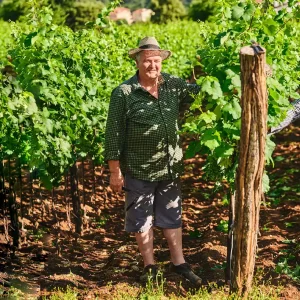
When a family's winemaking tradition spans centuries, as is the case with the Rubeša family from Kastav, then the success of their wines and the Plovanić family farm should not come as much of a surprise.
Although they are not the only ones with such a long family tradition of winemaking, they are certainly rare in the amount of enthusiasm and effort invested in creating wines from indigenous varieties from the Kastav region that will impose their quality on a somewhat dormant market dominated by better-known Kvarner varieties and wines.
The success of their work is also evidenced by the fact that their Kastavska Belica blend, only the second in the county, received the award of a top wine in 2019, and the OPG Plovanić itself was registered in 2011.
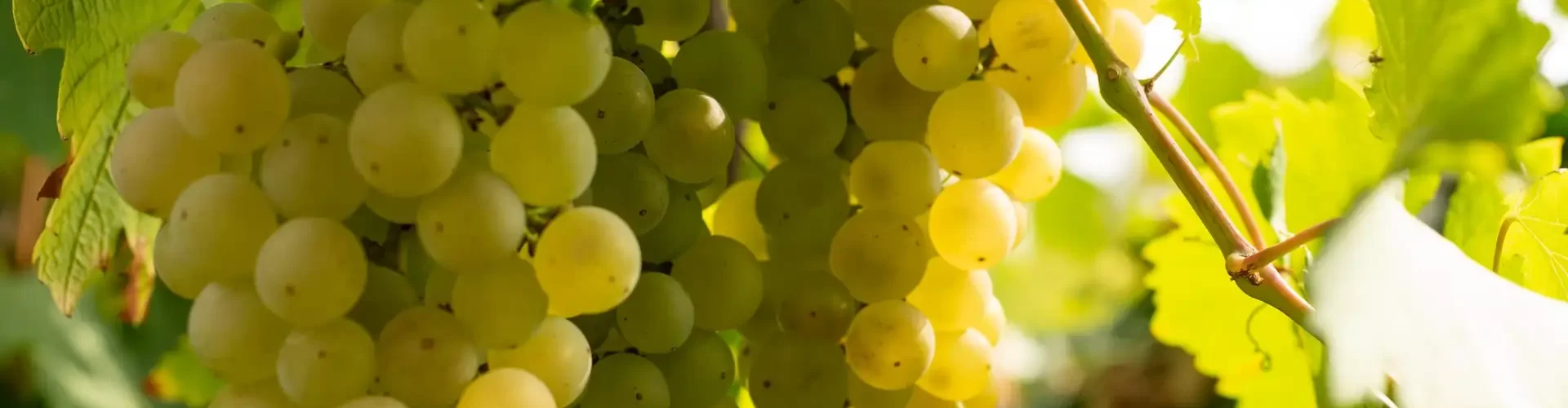
In addition to white wine, Malvasia and the black blend of Nero, OPG Plovanić wines also produces the first, unique sparkling wine Plovanić made from indigenous varieties of Verdić, Jarbola and Divjak.
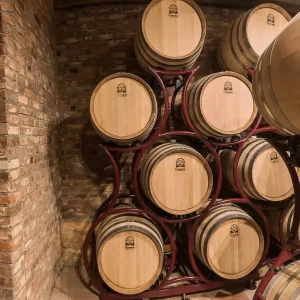
Another specialty of the winery is the wine from Georgian amphorae – Amfora 246, macerated for 8 months and then aged for at least 12 months in large wood. New products from the winery that should definitely be highlighted are the sparkling wine Amfora 365, as well as Belica mi2, which marks a return to the roots and combines modern winemaking and tradition in one bottle.
OPG PLOVANIĆ WINES
A: Šporova jama 7, 51215 Kastav
T: +385 91 2527 795, +385 91 751 2891
And: info@plovanic-vina.hr
W: www.plovanic-vina.hr
F: OPG Plovanić wines
I: plovanic.vina
Tasting room: opening hours by appointment
1. What does the year 1875 mean to your family?
The year 1875 is literally carved above the entrance door of the tavern in our family home in Rubeši. According to available information, we are the fourth generation of winemakers in the family, although we are quite sure that there were some before, because the family has always been known for its wine production in Kastav and the wider area. Such family history has certainly been a great wind at our back in our efforts to revive the story of Kastav belica and raise it to new, higher levels. In the last 20 years, belica has entered the very top of the Primorje-Gorski Kotar County wines due to its quality, which we are extremely proud of. We believe that the story of belica will continue to grow in the future and will be an example to others of how far a family's enthusiasm, faith and perseverance can go.
2. Approach us with your idea to submit belica for research to the Faculty of Agriculture, the result of which is the first setting of the parameters of the coupage.
In 2009, Prof. Edi Maletić from the Faculty of Agriculture in Zagreb came to Kastav, who is extremely responsible for the discovery and preservation of many indigenous Croatian wine varieties. After getting to know our white wine, he confirmed to us that we have a wonderful wine story because such a blend in one glass does not exist anywhere in the world, and if some of the varieties are also indigenous, then our story is golden. That meeting gave us new impetus in our efforts to get to our own vineyard.
We decided to plant the first controlled plantation of Belica by separating and grouping its components (old Belica vineyards are each unique in their own way because none of them has the same ratio of its components planted).
Today, our family vineyard contains physically separate divjaka, mejsko belo, verdić, jarbola, malvasia and brajkovac. Interestingly, when we found cuttings for planting material, we found that in about 10 km2, only 10 vines were found that we were sure were divjaka. So divjaka had almost disappeared! For comparison – today, in our family vineyard, we have over 700 divjaka vines planted in total, which we are extremely proud of.
In the years from 2010 to the present day, we have been planting our vineyard – there have been both delights and disappointments, as in any new business, but we have not given up. Today, we have planted over 4,000 vines of the Belica variety. This is a respectable amount for our circumstances, given that due to the configuration of the terrain, you cannot use large machinery to cultivate our vineyards. So, most of it is manual work.
3. How did you come up with the idea of producing sparkling wine from a blend of white wines?
In 2016, the Faculty of Agriculture in Zagreb implemented the project "Economic Evaluation of Indigenous Wine Varieties of the Kastav Region", during which it was determined that the three components of belica have exceptional potential for the production of sparkling wine. At the suggestion and initiative, again of Prof. Edi Maletić, in 2018 the first sparkling wine was created from a blend of belica, which includes verdić, jarbola and divjak in different proportions, and which is obtained by the traditional method of fermentation in the bottle. With this move, we proved to ourselves that we are ready to embark on some new adventures and raise production to a higher level.
4. Belica "MI2", you and Kukurin are the founders of slow food in Croatia. What is it all about?
Belica MI2 is a return to the roots and the original method of producing belica wine. It is a belica produced by long maceration, fermentation on our own yeasts without the use of oenological preparations, and the idea for this wine comes from Nenad Kukurin, a well-known supporter of long-macerated wines and our winery. We are experimenting with this type of wine for the third harvest in a row and we are proud of the fact that the 2022 belica will have its premiere this year.
5. What is the purpose of the Georgian amphora in Kastav and why is the wine in it for 246 days?
The Georgian amphora in Kastva is the result of Nenad Kukurin's idea and the enthusiasm of a few friends ready to support our winery in the story of the first wine from a Georgian amphora in Kastva. The amphora was imported from Georgia in 2014 as the first of its kind in the Primorje-Gorski Kotar County, and already in 2015 we tasted the first pinot gris from the amphora. The first maceration lasted exactly 6 months, and after a couple of years we decided to macerate for 246 days, which is where the idea for the name of the wine itself comes from.
6. Did you foresee that Plovanić wines could be tasted in Kastav itself?
Our wines can be tasted in our winery premises with prior notice, where it is possible to taste all wines on site and learn about the production process as well as the wine story of the Rubeša-Plovanić family.
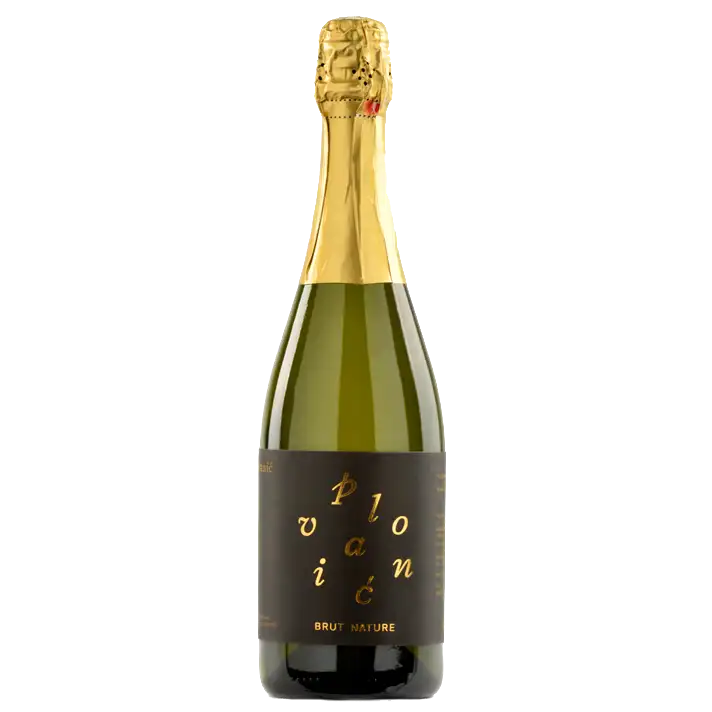
Grape variety: verdić, divjaka, mast
Category: Premium sparkling wine
Vineyards: Opatija-Rijeka-Vinodol vineyards
Vineyard: Pilipovo
Vineyard age: 10 years
Vineyard altitude: 300 m
Vineyard location: southern
Soil composition: brownish-red terracotta
Vinification: the classic method of fermentation in the bottle
Maturation: 18 months on yeasts
Alcohol content: 12.31% vol.
Total acidity: 6.6 g/L
Unfermented sugar: <1 g/L
Bottle size: 0.75 L
Serving temperature: 6°C
Wine description: The wine is a deeper straw yellow color with golden reflections, with a fine and intense perlage. On the nose it is complex, with intense aromas of bread crust, toast and mineral notes of wet stone and Mediterranean herbs accompanied by fruity aromas of ripe apple and pear. On the palate it is soft, with an elegant body, a fine and creamy perlage. On the palate, notes of roasted hazelnuts and yellow flowers come to the fore.
With food: It is recommended to serve it as an aperitif or with lighter appetizers and dishes. It goes great with various sushi specialties. White fish carpaccio with citrus and olive oil emulsion. Fresh strawberries.
Aging potential: Always store them lying down in a dark place at a stable and low temperature. It is recommended to consume.
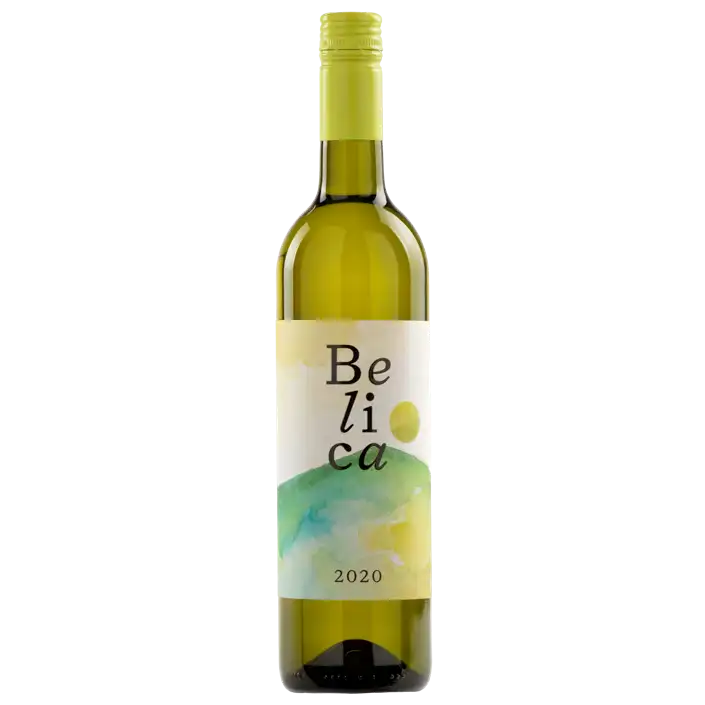
Grape varieties: Verdić, divjaka, mejsko belo, yarbola, brajkovac and malvazija
Category: Quality wine
Vineyards: Opatija-Rijeka-Vinodol vineyards
Vineyard: Pilipovo and Njiva
Age of vineyards: Pilipovo (10 years), Njiva (up to 50 years)
Vineyard altitude: 300 m
Vineyard location: southern
Soil composition: brownish-red terracotta
Vinification: stainless steel barrels
Ripening: /
Alcohol content: 12 % vol
Total acidity: 5.5 g/L
Unfermented sugar: 2.0 g/L
Bottle size: 0.75 L
Serving temperature: 10-12 °C
Wine description: The wine is a lighter straw yellow color with an aromatic profile that leans towards Mediterranean herbs like bay leaf and sage, accompanied by aromas of apple, pear and peach. It is lighter in body and the fresh herbal notes are reflected in the taste, while the finish is marked by a pleasant bitterness.
With food: The wine pairs well with fresh cheeses and local specialties such as Kvarner shrimp and other fish delicacies.
Aging potential: Consume.
Awards: Silver medal – Kastav Region Wine Festival 2023.
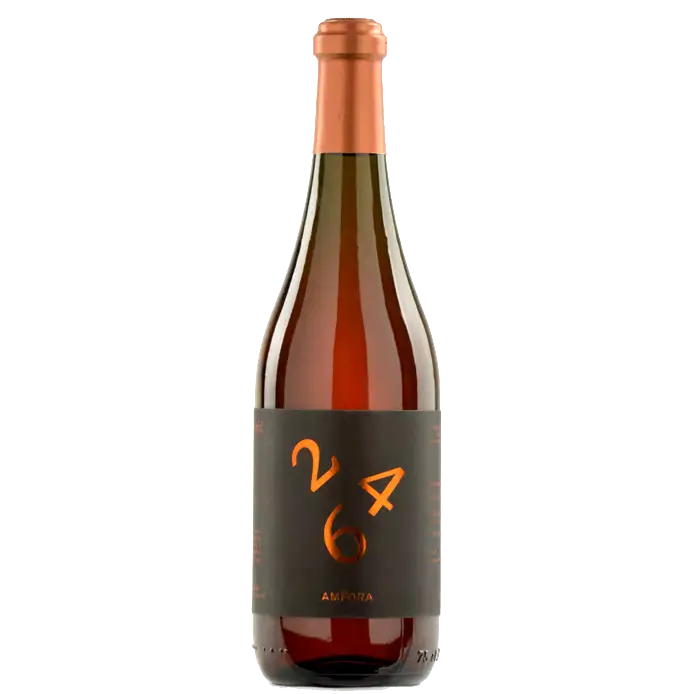
Grape variety: Pinot Gris
Category: Quality wine
Vineyards: Opatija-Rijeka-Vinodol vineyards
Vineyard: Šporova jama
Vineyard age: 22 years
Vineyard altitude: 320 m
Vineyard location: southeast
Soil composition: brownish-red terracotta
Vinification: Maceration in amphorae and barrique barrels
Maturation: 8 months of maceration in amphora, then 2 years in wooden barrels
Alcohol content: 13.61% vol.
Total acid: 5.0 g/L
Unfermented sugar: 1.4 g/L
Bottle size: 0.75 L
Serving temperature: 16°C
Wine description: The wine is a deep and dense amber color with reddish reflections. The nose is clean, with very intense aromas of candied orange peel, overripe apple, marzipan, dried fig, floral honey and Mediterranean dried herbs. It seems very complex. The taste is dry and warm, with pronounced tannins that are slightly astringent, full-bodied and with a lasting and rich flavor. The aromas of marzipan, honey, thyme, laurel and fruit are repeated.
With the dish: beefsteak or grilled tuna steak.
Aging potential: The wine has aging potential.
Awards: Silver Medal – Decanter World Wine Awards 2023.
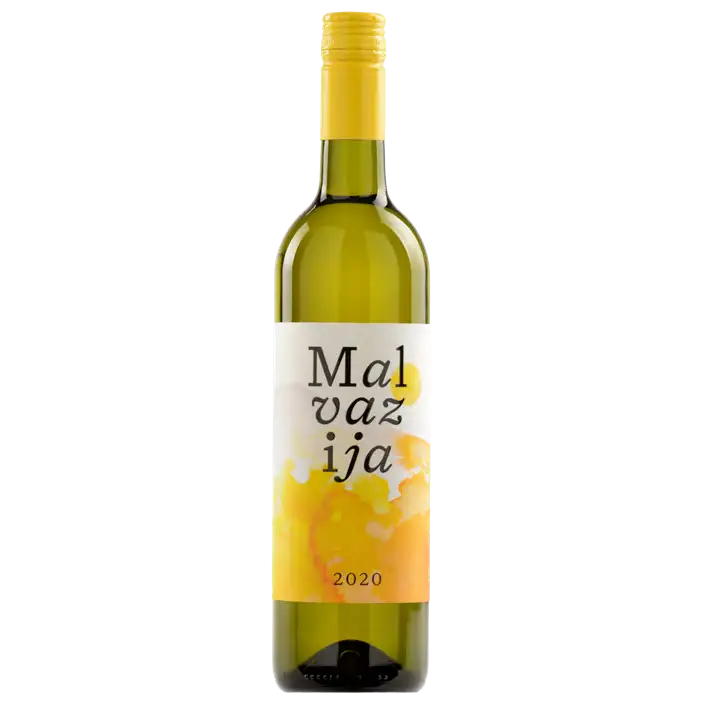
Grape variety: Malvasia
Category: Quality wine
Vineyards: Croatian Istria
Vineyard: Baredine
Vineyard age: 30 years
Vineyard altitude: 150 m
Vineyard location: southwest
Soil composition: White soil
Vinification: Stainless steel barrels
Alcohol content: 13.3 % vol
Total acidity: 5.8 g/L
Unfermented sugar: 2.7 g/L
Bottle size: 0.75 L
Serving temperature: 10-12°C
Wine description: The wine is straw yellow in color with golden reflections, with pronounced clean aromas of peach, apple, citrus and acacia blossom. On the palate it is mineral, rounded and soft, with a pleasant freshness and fruitiness.
Food pairing: The wine pairs well with various fish dishes, shellfish and crabs, and grilled dishes.
Aging potential: Consume.
Awards: Silver medal – Kastav Region Wine Festival 2023.
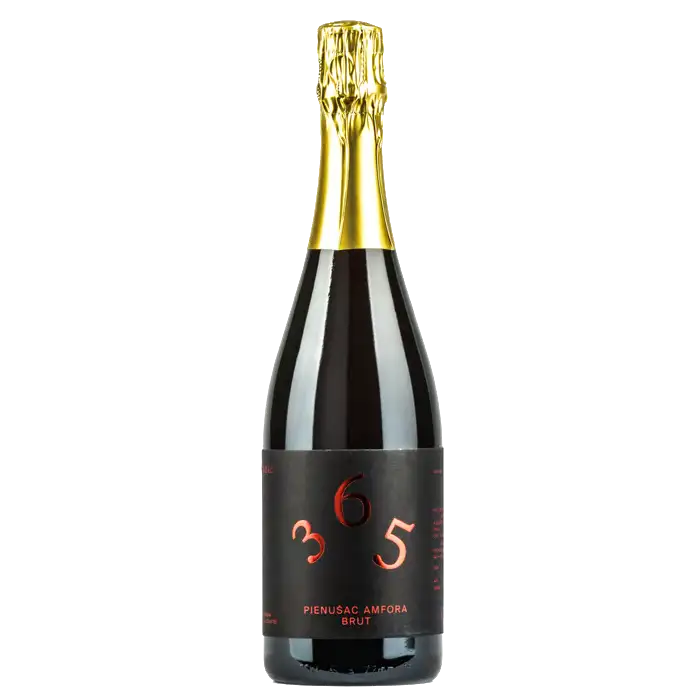
Grape variety: Pinot Gris
Category: Premium sparkling wine
Vineyards: Opatija-Rijeka-Vinodol vineyards
Vineyard: Šporova jama
Vineyard age: 22 years
Vineyard altitude: 320 m
Vineyard location: southeast
Soil composition: brownish-red terracotta
Vinification: 8 months of maceration in amphorae, then 2 years in wooden barrels and then the classic method of fermentation in the bottle
Maturation: 2 years on yeasts
Alcohol content: 14% vol
Total acidity: 6.3 g/L
Unfermented sugar: 8.0 g/L
Bottle size: 0.75 L
Serving temperature: 6 °C
Wine description: Deep orange color, very small bubbles, rich and complex. Pronounced tertiary aromas of dried figs, baked apples, marzipan, arancini, dried Mediterranean herbs such as thyme and oregano, concentrated presence of tannins in the taste, fine juicy creamy perlage and a light nutty note come to the fore in the finish.
With the dish: hard cheese, homemade liver pâté, homemade prosciutto, pancetta and hard salami (not smoked). Beefsteak and grilled vegetables.
Aging potential: Always store them lying down in a dark place at a stable and low temperature. It is recommended to consume.
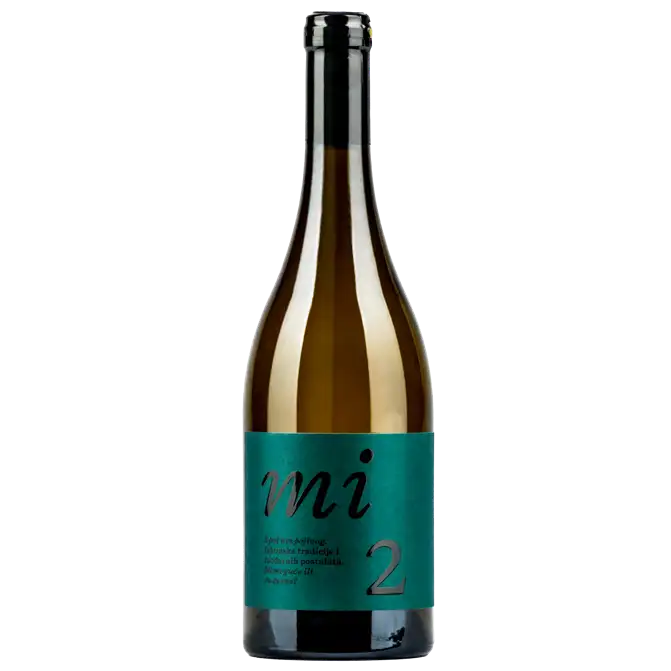
Grape varieties: verdić, divjaka, mejsko belo, yarbola, brajkovac and malvazija
Category: quality wine
Vineyards: Opatija-Rijeka-Vinodol vineyards
Vineyard: Pilipovo and Njiva
Age of vineyards: Pilipovo (10 years), Njiva (up to 50 years)
Vineyard altitude: 300 m
Vineyard location: southern
Soil composition: brownish-red terracotta
Vinification: Fermentation on own yeasts, longer maceration
Maturation: 1 year in used barrique barrels
Alcohol content: 12.51% vol.
Total acidity: 6.0 g/L
Unfermented sugar: 3.0 g/L
Bottle size: 0.75 L
Serving temperature: 12-14°C
Wine description: Golden yellow in color, intense and complex aroma, with notes of white pepper, wood and ripe fruit such as peach, apple, orange peel and herbal notes of Mediterranean herbs. On the palate it is dry, concentrated and full-bodied, with the presence of fine tannins, soft and rounded.
With the dish: Risotto with Kvarner shrimp and pasta with truffles.
Aging potential: The wine has aging potential.