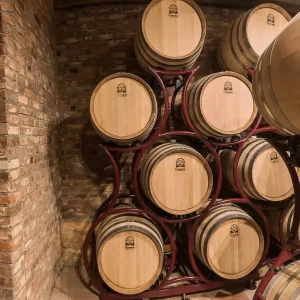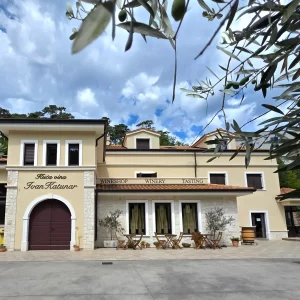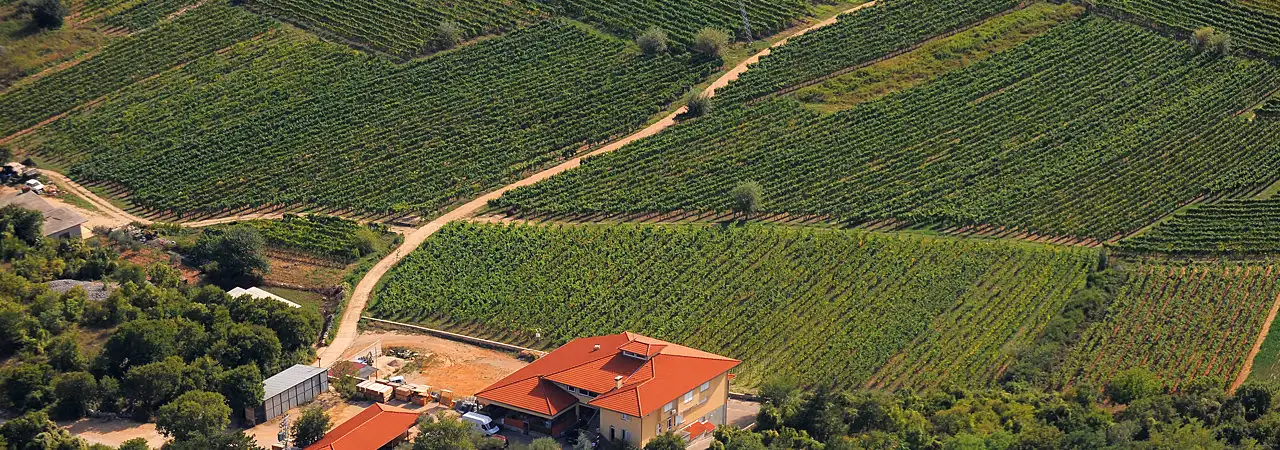
Anton Katunar's family is one of those that can boast a long tradition of viticulture, which began to take on serious business dimensions in the early 1990s. Namely, it was then that they combined the latest viticulture practices and technologies with all the best aspects of traditional viticulture on the islands of Krk and Vrbnik.
They were the first to produce Croatian sparkling wine (frizzante) Biser mora and sparkling wine Porin. Since then, they have successfully combined tradition and innovation.
Vrbnik is a small town on the island of Krk whose hinterland, namely the Vrbničko polje, is the largest source of the žlahtina variety, but Estate Winery Katunar has gone a step further in a creative, but also literal sense, and has expanded its plantings to the Bašćanska kotlina locality in the southern part of the island, and it is from there that their much-praised and awarded žlahtina Sv. Lucija comes! But they didn't stop there either, because Anton Katunar's family also produces žlahtina from amphorae, and in locations near Baška they have, which is very interesting, the northernmost planted Plavac Mali.
Estate Winery Ltd.
A: Sv. Nedilja bb, 51516 Vrbnik
T: +385 51 857 393
And: info@katunar.hr
W: www.katunar.hr
F: Katunar Estate Winery
I: katunarwinery
Tasting room:
Our tasting room is open until 4 p.m. in the winter, and all day long in the summer. It is open to individual visitors who taste with purchase, and we also do tastings for groups, as well as guided 'tailor-made' tastings with a shuttle service.
1. How do you view the history of winemaking and viticulture in Kvarner from today's perspective?
Naša tradicija vinarstva toliko je bogata da seže do antičkih vremena, potom kroz cijeli srednji vijek da bi svoje zapaženo povijesno mjesto zauzela krajem 19. i početkom 20. stoljeća – kada je naš kraj bio glavno 'primorje' srednjoeuropske konglomeracije. Tada je Kvarner bila vrhunska turistička destinacija za elitu europskih metropola poput Praga, Budimpešte i Beča. Gastro i eno ponuda pratile su taj status, što se može vidjeti po vinskim kartama koje su se održale do 1930- ih godina. Dobro dokumentiran i sačuvan primjer je Hotel Vitezić u Baški koji 1920-ih godina na vinskoj krti ima u ponudi 3 žlahtine rangirane po godištima, 3 lokalna pjenušca, 3 lokalne crne etikete i 4 prošeka rangirana po godinama odležavanja. Uz tu zavidnu ponudu s vinske karte, on svojim prijeratnim gostima nudi i tenis, Nivea kozmetiku i seoski turizam – organiziranu berbu grožđa. Therefore, today's view of such history awakens mixed feelings of pride, regret over the insufficient use of such potential, but also hope for its flourishing.
2. How did you decide to plant vineyards in the location of Sveta Lucija or Šupele?
The Sveta Lucija location is an excellent wine-growing location, with a southeast orientation, a slope of up to 30 % and a maximum elevation of 140 meters. The vines are planted on it in an extra-dense 160 x 80 grid arrangement, which is not intended to obtain quantity, but to maximize quality. This location gives all wines, especially Žlahtina, high sugars, extracts and structure. An additional factor is the history of the location, which was cultivated in antiquity as part of the Villa Rustica complex, on whose ruins the church of St. Lucia with a monastery was built. The monks of that monastery continued to grow vines, which they immortalized by using them to decorate the Bašćanska ploča, a key Glagolitic document found in that church.
3. In addition to Žlahtina, you also have a variety planted on St. Lucia that no one would expect there.
In addition to Žlahtina, the Sv. Lucija location also grows indigenous local red varieties, as well as the favorite national red variety – Plavac Mali – which is the northernmost plantation of this variety. It is precisely on this typically southern variety that this microlocation shows its potential.
4. How did you come up with the idea of testing Žlahtina in an amphora and how would you describe this wine to someone who wants to taste it?
Primarily because of my own interest in the old way of vinification, and because of a kind of 'return to the roots'. Grapes from these locations were already vinified in amphorae, albeit 1800 years ago. Our Žlahtina vinified in amphorae is a dense, warm, demanding amber-colored wine dominated by intense aromas of Mediterranean herbs and dried fruit.
5. Is there potential for aging Žlahtina?
Žlahtina is certainly a grateful variety for macerations, as well as for aging, due to its durable skin, intensity of flavor and higher alcohol content if it is in the appropriate positions, and due to its delicate tannins and acids, which are easily balanced in the wine.
6. Your newly renovated tasting room also has a very interesting addition – the Frankopan room. What is it?
That's right, this is our Frankopan corner – a lookout overlooking the former Frankopan estates, decorated in the style of that princely house and equipped with educational materials. It is inspired by the importance of the Frankopans in this region and is a great continuation of the county project "Frankopan Paths", which presents and promotes this very significant and rich regional heritage. In cooperation with "Frankopan Paths", we also offer several labels - Frankopan Wine, of which 2 wines, Festivum and Prošek, are vinified in almost the same way as it was done in the Frankopan era. The wines are macerated and made without the use of sulfur or modern additives.
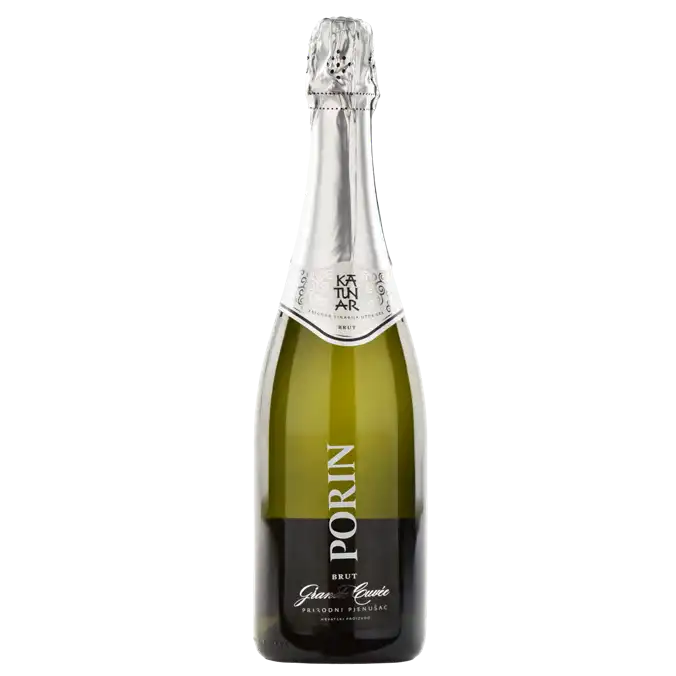
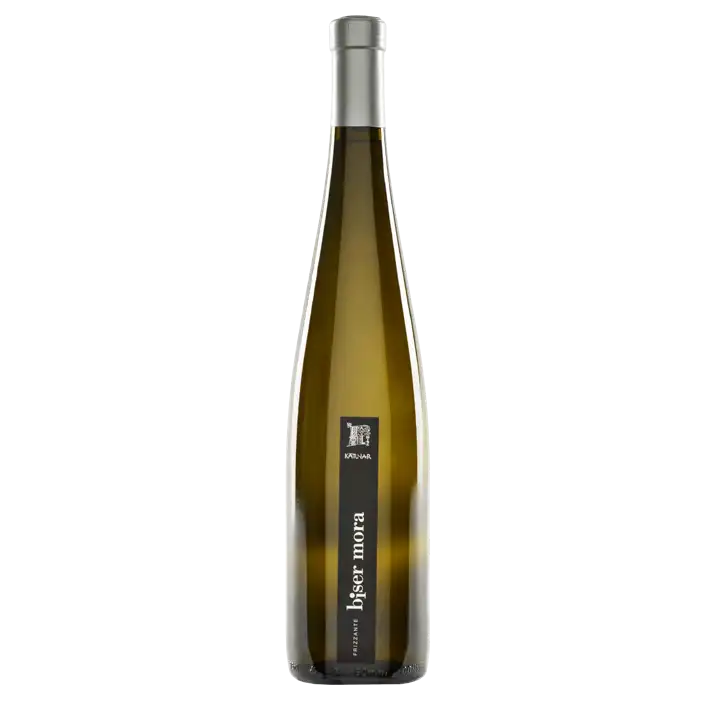
Grape variety: Žlahtina
Category: Premium wine
Vineyards: Krk
Vineyard: Vrbnik Field
Age of vineyard: 70 years
Vineyard altitude: 30 m
Vineyard location: Vrbničko polje
Soil composition: loam
Vinification: pressing and controlled fermentation in stainless steel
Maturation: stainless steel
Alcohol content:
Total acidity: 5.1 g/L
Unfermented sugar: x
Bottle size: 0.75
Serving temperature: 6C
Wine description: The wine is straw-colored and has pronounced aromas of citrus and white fruit intertwined with aromas of hazelnut and bread crust. Fine perlage and finely integrated bubbles complement the fresh taste of the wine. It has a subtle structure and gentle acids.
Pairing: goes great with oysters, white fish pate or marinated anchovies
Awards: Bronze diploma of Vinistra
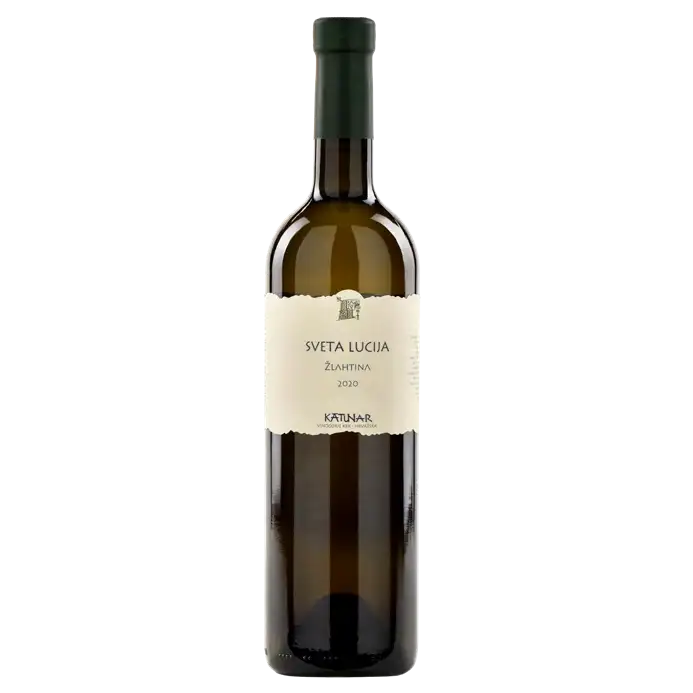
Grape variety: Žlahtina
Category: high quality
Vineyards: Krk
Vineyard: Vrbnik Field
Age of vineyard: 70 years
Vineyard altitude: 30 m
Vineyard location: Vrbnik field
Soil composition: loam
Vinification: pressing and controlled fermentation in stainless steel
Maturation: in stainless steel
Alcohol content: 11 %
Total acid: 5 g/L
Unfermented sugar: 14g/L
Bottle size: 0.75
Serving temperature: 6 C
Wine description: The wine has a delicate straw yellow color. It opens with discreet vinous aromas and fruity scents of pear, vineyard peach and banana. It has a light, airy feel on the palate, with a gentle perlage, a lighter body and a very pleasant freshness.
Awards: Bronze diploma of Vinistra
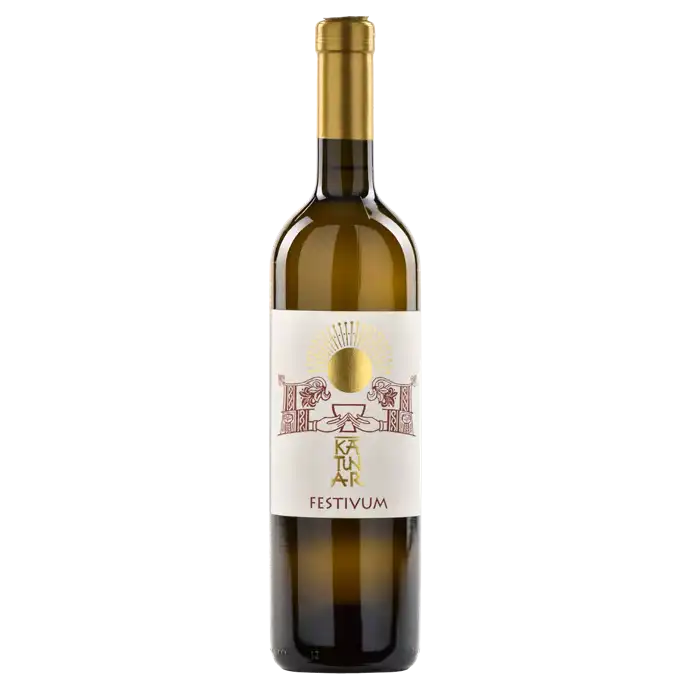
Grape variety: Žlahtina
Category: top-notch
Vineyards: Krk
Vineyard: Šupele
Vineyard age: 20 years
Vineyard altitude: 150 to 180 m
Vineyard location: St. Lucia
Soil composition: sand, white soil and stone
Vinification: macerated
Maturation: stainless steel
Alcohol content: 13.5 %
Total acidity: 4.4 g/L
Unfermented sugar: x
Bottle size: 0.75
Serving temperature: 11
Wine description: The wine is clear, with a more intense straw color. The scent is open and intense, with accentuated fruity notes of apple, citrus, banana and jasmine. On the palate it has a fuller and elegant body, very harmonious and pleasant minerality in the finish.
Pairing: white meat, fish, pasta, rice with seafood
Grape variety: Žlahtina
Category: top-notch
Vineyards: Krk
Vineyard: Šupele
Vineyard age: 20 years
Vineyard altitude: 150 – 180 m
Vineyard location: St. Lucia
Soil composition: sand, white soil and stone
Vinification: macerated
Maturation: wood
Alcohol content: 14 %
Total acidity: 4.5 g/L
Unfermented sugar: x
Bottle size: 0.75
Serving temperature: 15 C
Wine description: Deep amber in color, the nose is rich and open. Attractive nutty notes intertwine, dried thyme, caramel intertwined with orange peel and marzipan, raisins, dried fig. On the second nose, dried apricot, overripe apple, fine wood, spices and minerality are felt. The taste is multi-layered with noticeable fine tannins. The wine is warm with a great balance of freshness and alcohol, and the aromatic profile perceived on the nose is reflected in the retro with an exceptionally long finish.
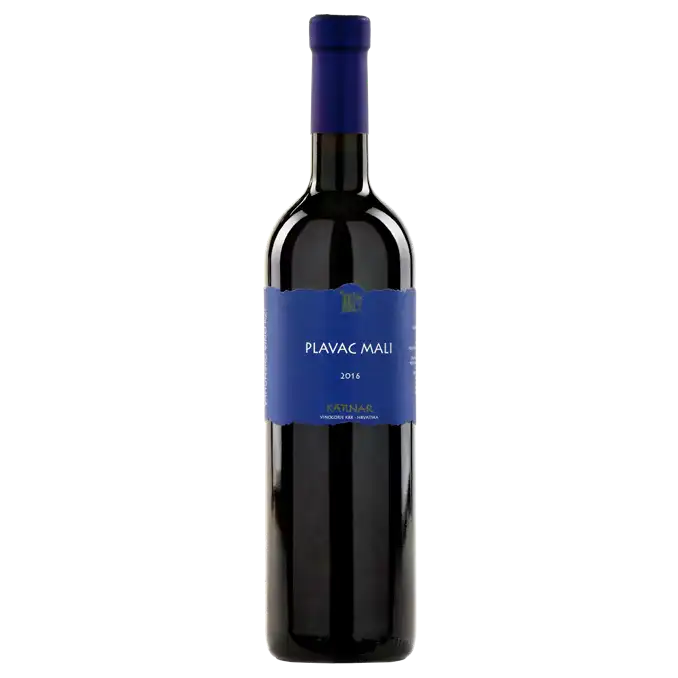
Grape variety: Plavac Mali
Category: premium wine
Vineyards: Krk
Vineyard: Šupele
Vineyard age: 20 years
Vineyard altitude: 150-180 m
Vineyard location: St. Lucija
Soil composition: sand, white soil and stone
Vinification: macerated
Maturation: in wood
Alcohol content: 14.5 %
Total acidity: 5.3 g/L
Unfermented sugar: x
Bottle size: 0.75
Serving temperature: 15 C
Wine description: The wine is a dense, ruby red color with garnet reflections. The aroma is intense and complex, opening with notes of dried Mediterranean herbs, carob, sour cherries in alcohol, dark chocolate, roasted coffee and leather intertwined with aromas of sweet spices, black berries and plum jam. On the palate it feels delicious, warm, concentrated and full-bodied. It is characterized by soft and ripe tannins, the finish is very long with a pleasantly spicy ending.
With the dish: pasticada, tuna, steak
Awards: Gold medal of Vinistra
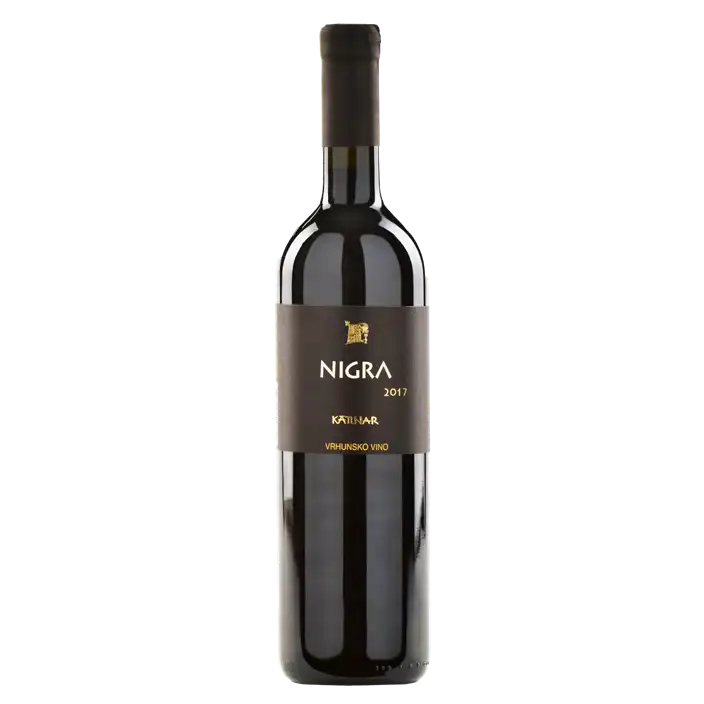
Grape variety: syrah
Category: quality wine
Vineyards: Krk
Vineyard: Šupele
Vineyard age: 20 years
Vineyard altitude: 150-180 m
Vineyard location: St. Lucija
Soil composition: sand, white soil and stone
Vinification: macerated
Maturation: in wood
Alcohol content: 14 %
Total acidity: 5.1 g/L
Unfermented sugar: x
Bottle size: 0.75
Serving temperature: 15 C
Wine description: The wine is dense, ruby red in color. Complex aromas of black pepper, sweet spices, leather and dried Mediterranean herbs, intertwined with fruity aromas of black berries, dominate. On the palate, it feels warm, pleasantly fresh, has an elegant structure, soft, juicy and ripe tannins. It has a pleasantly salty finish.
Pairing: dark meat, oily fish
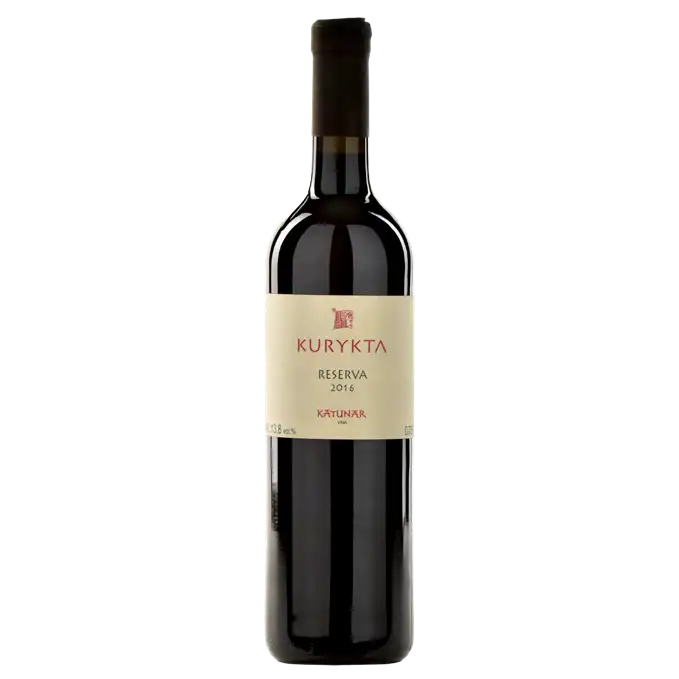
Grape variety: Debejan, Kamenina, Sansigot
Category: top-notch
Vineyards: Krk
Vineyard: Šupele
Vineyard age: 20 years
Vineyard altitude: 150-180 m
Vineyard location: St. Lucija
Soil composition: sand, white soil, stone
Vinification: macerated
Maturation: in wood
Alcohol content: 13.5
Total acid: 5 g/L
Unfermented sugar: x
Bottle size: 0.75
Serving temperature:
Wine description: The wine is very dense, impenetrable ruby color with purple reflexes and slow and narrow arches. The aroma is intense, clean and very complex. At first, the nose opens with fruity aromas of black juniper, while later on, notes of sweet spices, licorice, coconut, cedar and tobacco come to the fore. The taste is multi-layered, concentrated with a noticeable weight on the mid-palate. Fruitiness, soft tannins and brilliantly integrated freshness in the elegant structure of the wine prevail on the palate. In the aftertaste, fruity aromas return accompanied by a herbal note of mint. The finish is very long.
Awards: Silver diploma of Vinistra