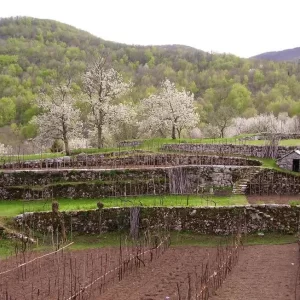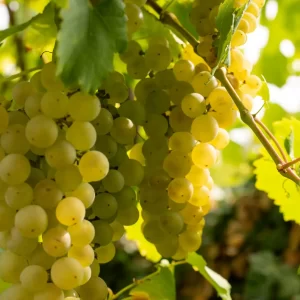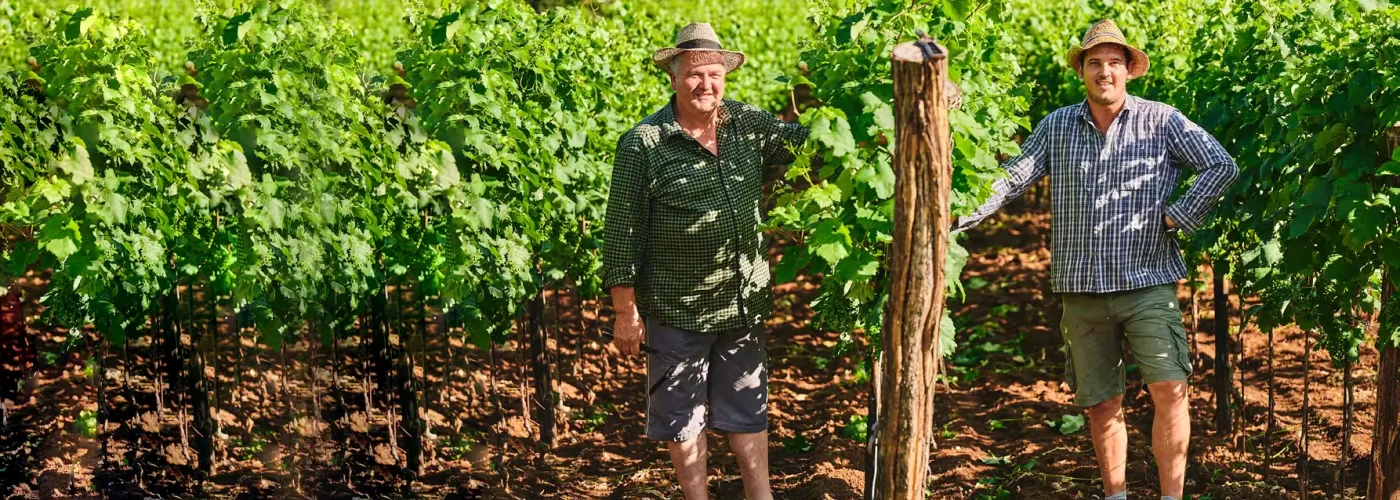
Liburnia has been making it very clear for a number of years that it does not plan to simply cede the title of leader of Kvarner winemaking to the island of Krk. One of its youngest hopefuls is the Kapić winery, from Matulji, founded in 2022.
Kapić produces 6 labels, white wines, grape varieties Malvasia, Chardonnay and Muscat White and Merlot, pink and red. Their newly opened wine cellar is located in the center of Matulji, and within it there is also a tasting room. Young, enthusiastic energy fills the sails of this new wine story whose youth and potency are permeated with the foundations of the tradition of this region. Their wines are named with words from the local Chakavian dialect, thus creating an authentic story that connects our wines with local tradition
CAP
A: Dalmatian Brigade Street 9, Matulji 51211
T: +385 91 252 2982
And: info@kapic.hr
W: www.kapic.hr
F: winery Kapić
AND: kapic_winery
Tasting room: opening hours by appointment
1. Why is the winery named Kapić?
In our region, it is common to have a family name, or family nickname, in addition to your personal name and surname. The Kapić family or lineage was first mentioned sometime in the 18th century in Jurdanići (a place in the area of today's Matulji Municipality) and allegedly the Kapićs were people of short stature and were popularly called "move like droplets" translated as "small as drops". To this day, the Kapić family line lives and works in this area.
2. You say you are involved in micro-production of wine, can you explain to us what that means?
Getting started in the winemaking business is extremely difficult, especially if you don't have a long-standing family tradition of grape and wine production behind you. Kapić Winery was founded in 2022, "from scratch". In the first year, only 4,000 bottles of wine were produced, so our initial production could more accurately be described as "nano-wine production".
3. How do you, as a representative of the younger generation of oenologists, look at the future and development of wines made from belica coupage?
When we talk about wine trends in Croatia, especially white wines, most are produced as monovarietal, i.e. made from a single variety. Kastavska belica is a blend made by mixing as many as 5 indigenous varieties from the Kastav region. This is truly a rarity on the white wine scene, which gives us as producers a different starting position.
On the one hand, vinification is interesting because you can literally play with different ratios of varieties in the blend. The human factor is very important here. blending, or typification of wine in order to obtain optimal harmony and balance. On the other hand, it is difficult to brand such a wine because there are no set rules for how it should look. In addition to still wine, the varieties that make up white wine have excellent potential for the production of sparkling wines.
4. Where did the fantastic idea of naming wines after old words from the Chakavian dialect of the Kastav region come from?
There are many different wines on the market and it is easier for the average buyer to remember a bottle by a fancy name than by the name of the variety. Čakavian is a dialect that is very heterogeneous and has many linguistic variations. Čakavian in the Kastav region is generally very melodic, and as it was created under the influence of various dialects from the surrounding area, it also has an international character. Naming wines by old Čakavian names has an ethnographic value. Many of these words have almost disappeared from everyday speech, the younger generation does not know them, and in this way we will try to preserve them from oblivion. Likewise, if you give a wine a special name, then you personify it and give it an additional dimension and significance.
5. Given that this is your first year of existence, what have been your biggest challenges?
The biggest challenge is breaking into the market. Wine production is a job that carries a lot of responsibility, with hard physical work, that is inevitably the case, but if you love it - it is much easier. The production of wine itself can be a pleasure and enjoyment, followed by the, in fact, the most difficult part, which is placing it on the market. It took a lot of time and energy to gain the trust of customers and to confirm that it is a high-quality product.
6. Has the Opatija Riviera recognized domestic producers and are you represented in the hospitality industry and events on the Riviera?
The Opatija Riviera is high-end of Croatian gastronomy and not everyone can score points here. Modern guests are increasingly looking for local products, and the offer of such products on the Opatija Riviera is modest. Being a wine producer in the Opatija hinterland means that you have a great advantage over wines from neighboring regions, with the quality of the product always driving sales. At the beginning of our wine story, our presence at local events and events where we could promote our wines. In a short time, we gained the attention of a wider audience who otherwise would not have had the opportunity to taste our products.
7. Where can your wines be tasted?
As part of our winery, there is also a tasting room, which is open with advance notice via e-mail, telephone or via social networks.
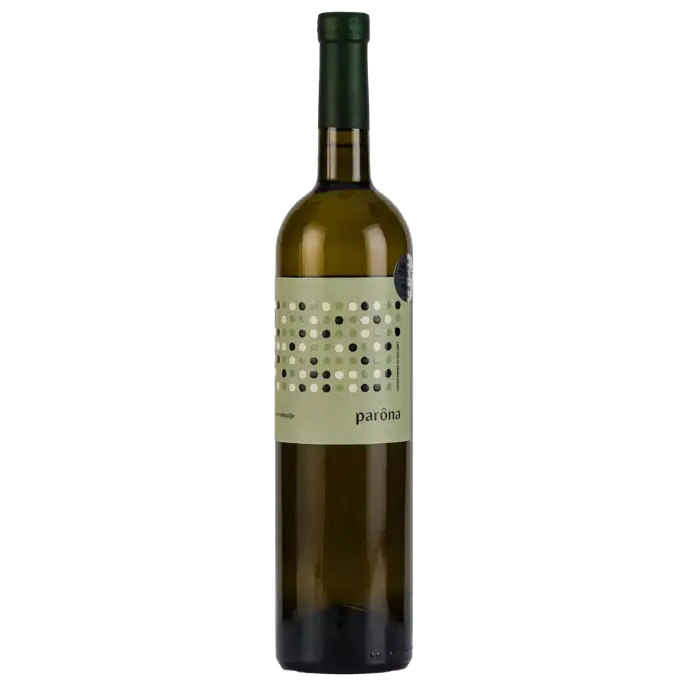
Grape variety: Istrian Malvasia
Category: dry white wine
Vineyards: Croatian Istria
Vineyard: Begi, Vrsar
Vineyard age: 20 years
Vineyard altitude: 50 meters above sea level
Vineyard location: south, southwest
Soil composition: red soil
Vinification: fermentation in a stainless steel tank, aging on the lees
Maturation: stainless steel tanks
Alcohol content: 13%
Total acidity: 6.0 g/l
Unfermented sugar: 1.5 g/l
Bottle size: 750 ml
Serving temperature: 8-12 °C
Wine description: The wine is clear, lighter straw yellow in color with a greenish hue. The aroma is intense and very clean. There are notes of apple, pear, and citrus, intertwined with the aromas of acacia. The taste of the wine is medium-bodied, fresh, and the finish is marked by pleasant bitterness.
Pairing: dishes with wild asparagus, pasta carbonara,
Aging potential: 2-3 years
Awards: Vinistra 2023 – World of Malvasia silver medal, Vinistra 2024 – World of Malvasia – gold medal
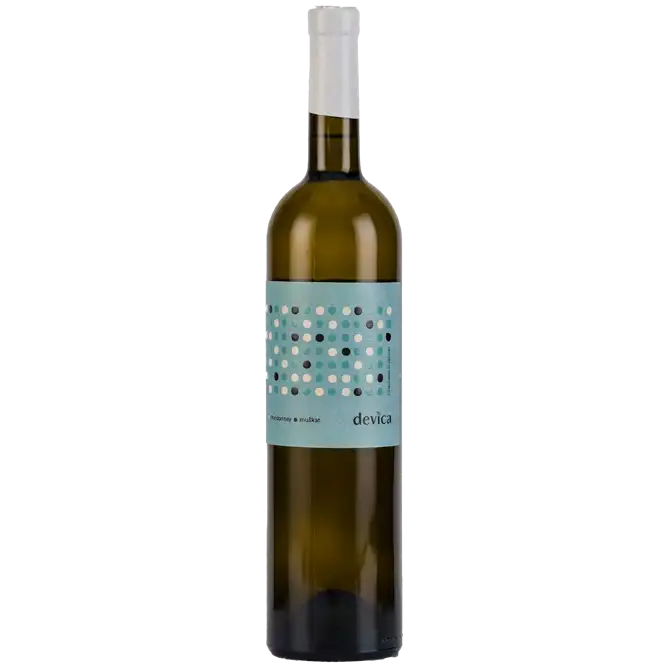
Grape variety: chardonnay, Istrian malvasia, white muscat
Category: dry white wine
Vineyards: Croatian Istria
Vineyard: Begi – Vrsar, Bačva – Višnjan, Krasica – Buje
Vineyard age: 10 – 20 years
Vineyard altitude: 50 – 130 meters above sea level
Vineyard location: west, southwest
Soil composition: red soil
Vinification: fermentation in a stainless steel tank, aging on the lees
Maturation: stainless steel tanks
Alcohol content: 12.51% alcohol by volume
Total acidity: 5.8 g/l
Unfermented sugar: 1.5 g/l
Bottle size: 750 ml
Serving temperature: 8-12°C
Wine description: It is a pale yellow color, with intense aromatics, with herbal notes of sage, green apple, floral scent of acacia and the scent of muscat. The taste is soft, fresh and fruity.
With the dish: bruschetta with vegetables, tuna salad, grilled chicken
Aging potential: 2-3 years
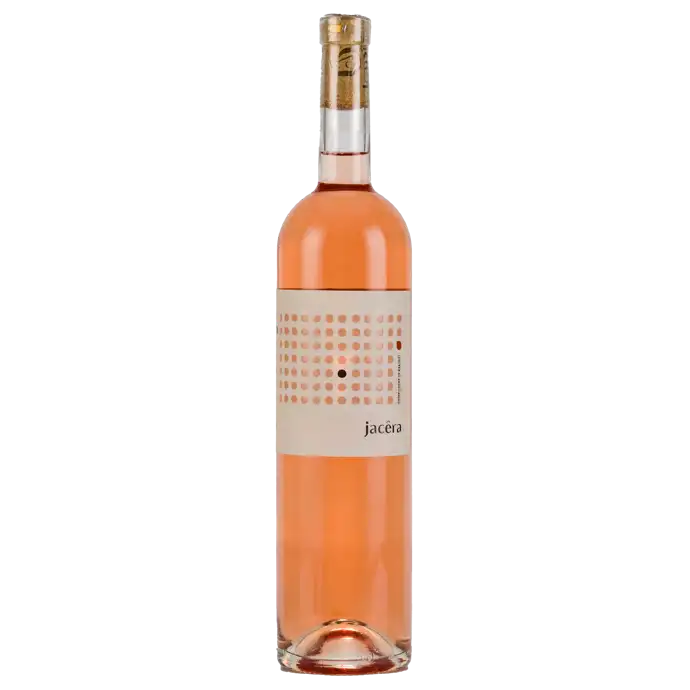
Grape variety: Merlot, Refošk, Teran*
Category: dry rosé wine
Vineyards: Croatian Istria
Vineyard: Bajkini – Vižinada, Dajla – Novigrad
Vineyard age: 10 – 30 years
Vineyard altitude: 15 – 80 meters above sea level
Vineyard location: west
Soil composition: red soil
Vinification: fermentation in a stainless steel tank, aging on the lees
Maturation: stainless steel tanks
Alcohol content: 11%
Total acidity: 6.3 g/l
Unfermented sugar: 1.0 g/l
Bottle size: 750 ml
Serving temperature: 8-10°C
Wine description: Light dewy in color, dominated by the aroma of raspberries and strawberries, lighter in texture, with notes of spices present, the wine is fresh, lighter in body, with a pronounced fruity flavor.
With the dish: young cheese, cottage cheese
Aging potential: 2-3 years
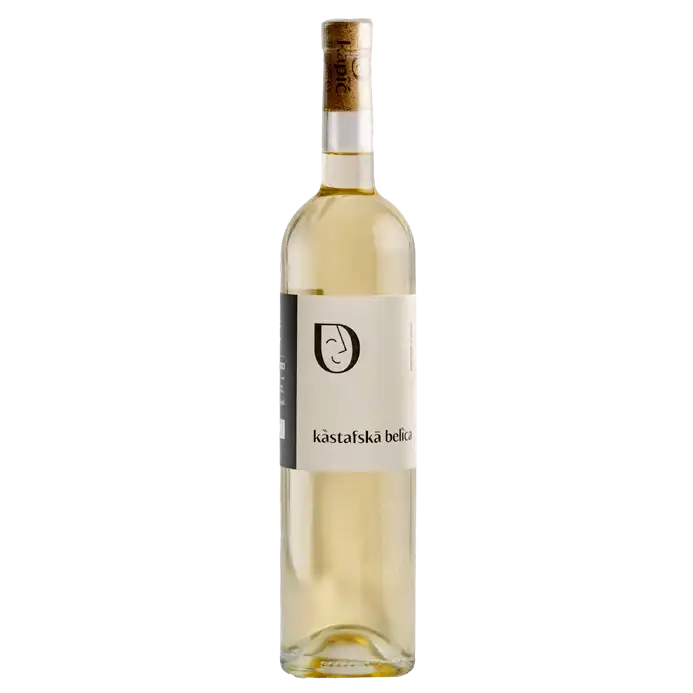
Grape variety: verdić, mejsko belo, divjaka
Category: dry white wine
Vineyards: Opatija – Rijeka – Vinodol
Vineyard: Jardasi – Kastav
Vineyard age: 4 years
Vineyard altitude: 350 meters above sea level
Vineyard location: south
Soil composition: red soil,
Vinification: fermentation in a stainless steel tank, aging on the lees
Maturation: stainless steel tanks
Alcohol content: 10.51% alcohol by volume
Total acidity: 6.5 g/l
Unfermented sugar: 1.5 g/l
Bottle size: 750 ml
Serving temperature: 8-10 °C
Wine description: The wine is a lighter straw yellow color with greenish reflections. The aromas of green apple, vineyard peach, freshly cut grass and Mediterranean herbs are recognizable. The wine has a lighter body, prominent freshness and a very pleasant salty taste.
With the dish: salted fish and polenta, sauerkraut and homemade sausages
Aging potential: 1-2 years
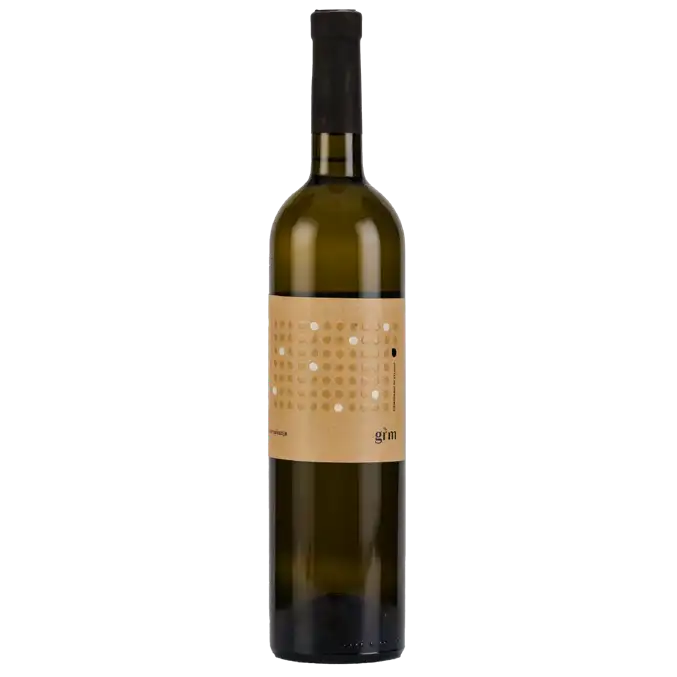
Grape variety: Istrian Malvasia
Category: dry white wine
Vineyards: Croatian Istria
Vineyard: Lindar, Pazin
Vineyard age: 30 years
Vineyard altitude: 250 meters above sea level
Vineyard location: south
Soil composition: white soil
Vinification: maceration, fermentation and aging in barrique barrels
Maturation: 6 months in barrique barrels
Alcohol content: 12.5 vol %
Total acidity: 6.1 g/L
Unfermented sugar: 2.5 g/L
Bottle size: 0.75l, 1.5 L
Serving temperature: 14°C
Wine description: More intense straw color, more intense aromatics of dried Mediterranean herbs, wet stone, aromas of spices, citrus and a light note of wood are present, on the second nose the aroma of a ripe apple comes to the fore. The wine is fuller-bodied, rounded and soft, the scent perceived on the nose returns permanently and pleasant bitterness in the finish.
With the dish: grilled fish, pork flambé
Aging potential: 3-5 years
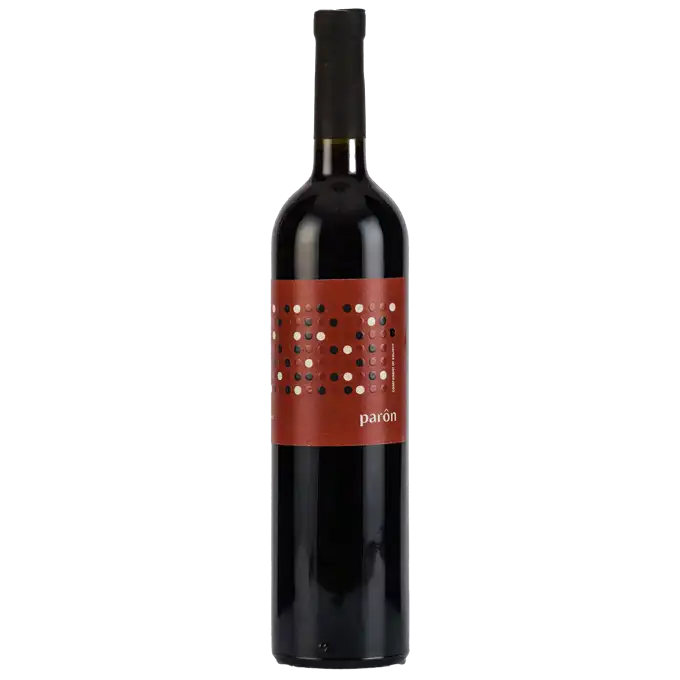
Grape variety: merlot
Category: dry red wine
Vineyards: Croatian Istria
Vineyard: Byakini, Vižinada
Vineyard age: 20 years
Vineyard altitude: 150 meters above sea level
Vineyard location: east
Soil composition: red soil
Vinification: maceration in stainless steel tanks, aging in barrique barrels
Maturation: 6 months in barrique barrels
Alcohol content: 12 vol %
Total acidity: 4.9 g/l
Unfermented sugar: 3.1 g/L
Bottle size: 0.75 L
Serving temperature: 16 – 18 °C
Wine description: Ruby color with purple reflections, pronounced fresh fruity character. Aromas of plum, juniper and blackberry are recognizable, accompanied by notes of wood and a fine spicy background. On the palate it is fresh, with soft tannins, and a very elegant body.
With the dish: tuna pate, sheep cheese
Aging potential: 2 years
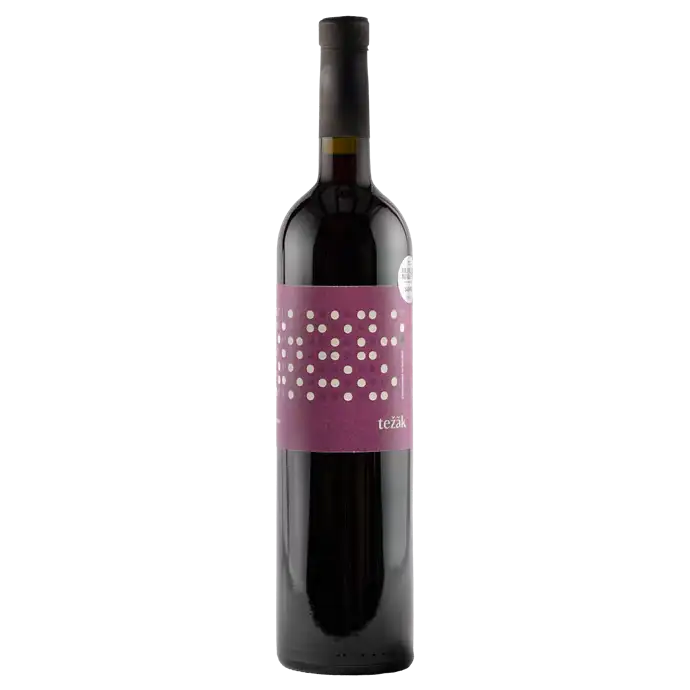
Grape variety: Teran
Category: dry red wine
Vineyards: Croatian Istria
Vineyard: Dajla
Vineyard age: 30 years
Vineyard altitude: 30 meters above sea level
Vineyard location: west
Soil composition: red soil
Vinification: maceration, aging in barrique barrels
Maturation: 6 months in barrique barrels
Alcohol content: 12 vol %
Total acidity: 6.2 g/L
Unfermented sugar: 2.2 g/L
Bottle size: 0.75 L
Serving temperature:
Wine description: The wine is a deeper ruby color, with fruity aromas of sour cherry and raspberry accompanied by notes of black pepper and spices and dried Mediterranean herbs. The tannins are soft, it is light-bodied, fresh, fruity and drinkable.
Pairing: steak tartare, grilled dishes
Aging potential: 3 years
Awards: Silver medal Vinistra 2024